


ERP Software Development Services
ERP Systems Built Around How Your Business Actually Works
What Custom ERP Actually Delivers
Since 2015, Dinamicka Development builds custom ERP solutions that reflect how your operation works today and can be extended as it scales. Here is what companies actually gain when they choose custom over off-the-shelf:
Faster delivery of new modules
Lower total cost of ownership
Full control over business logic
Native integration with existing systems
Data stays where you control it
Scale without vendor approval
Our Full-Cycle ERP Development Services

ERP Consulting


Custom ERP Development

ERP Module Development

ERP Integration

Legacy ERP Migration

ERP Customization

ERP Support & Optimization
Ready to Build Custom ERP Solutions That Actually Fit?
ERP Development Services in Practice
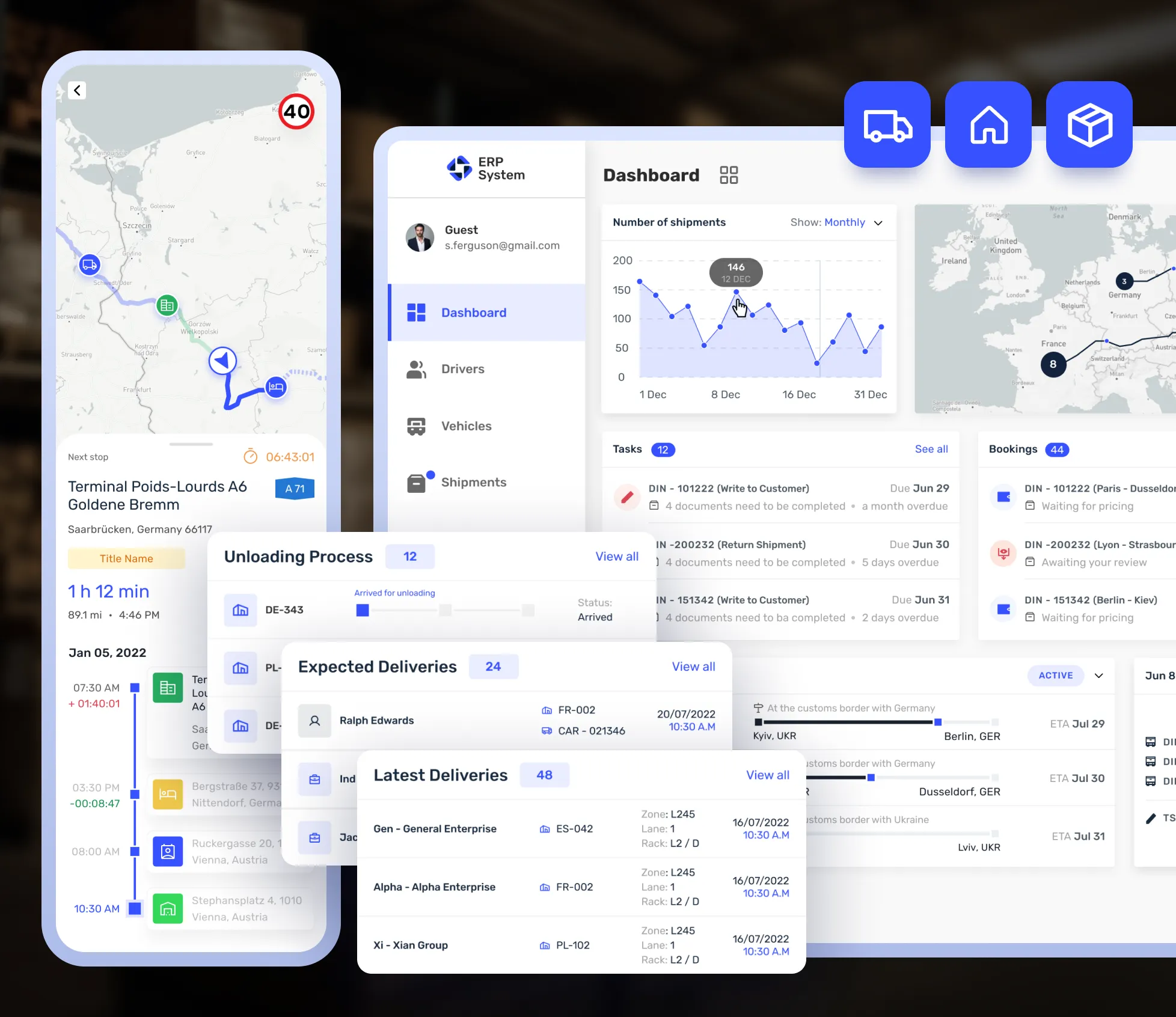
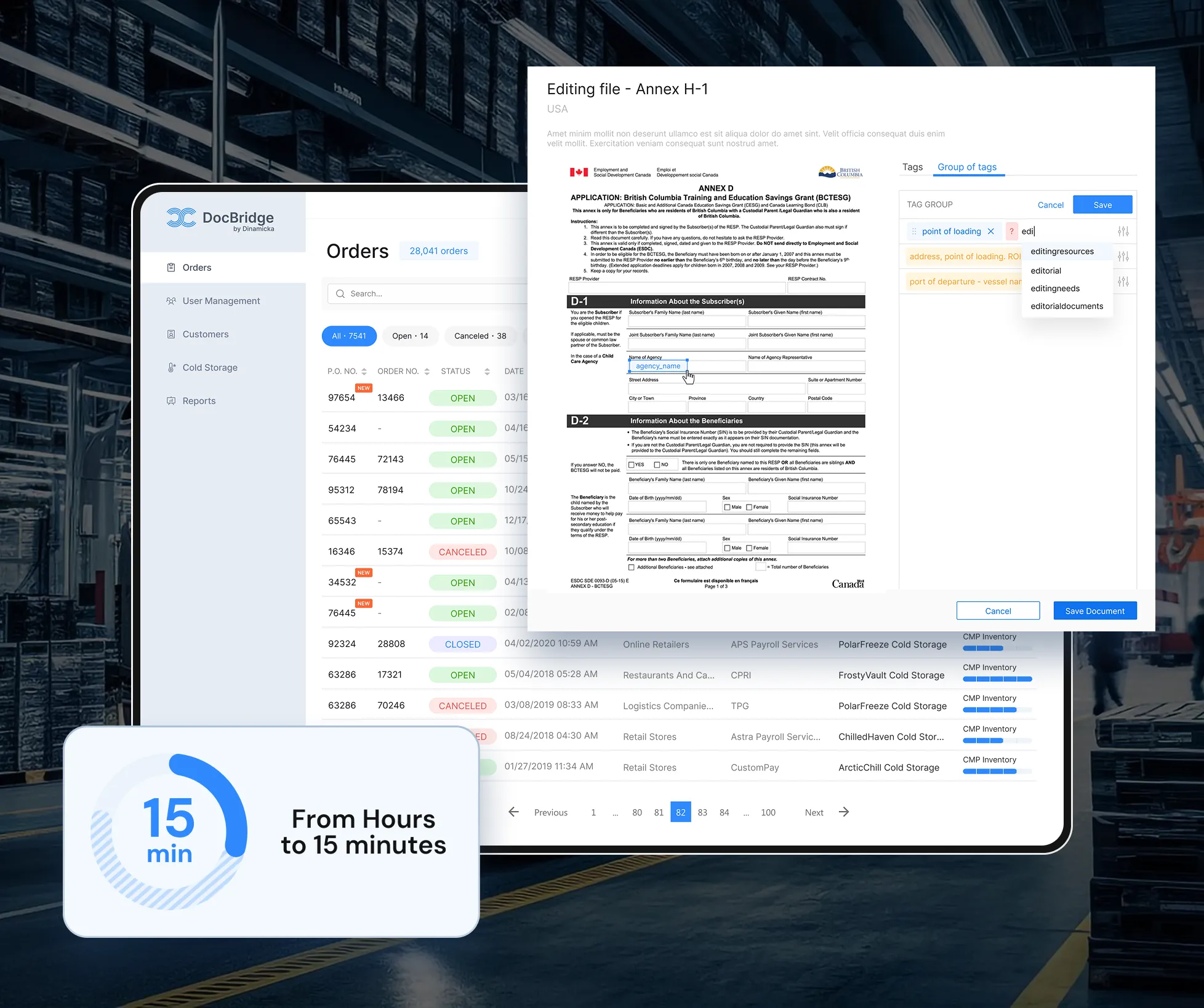
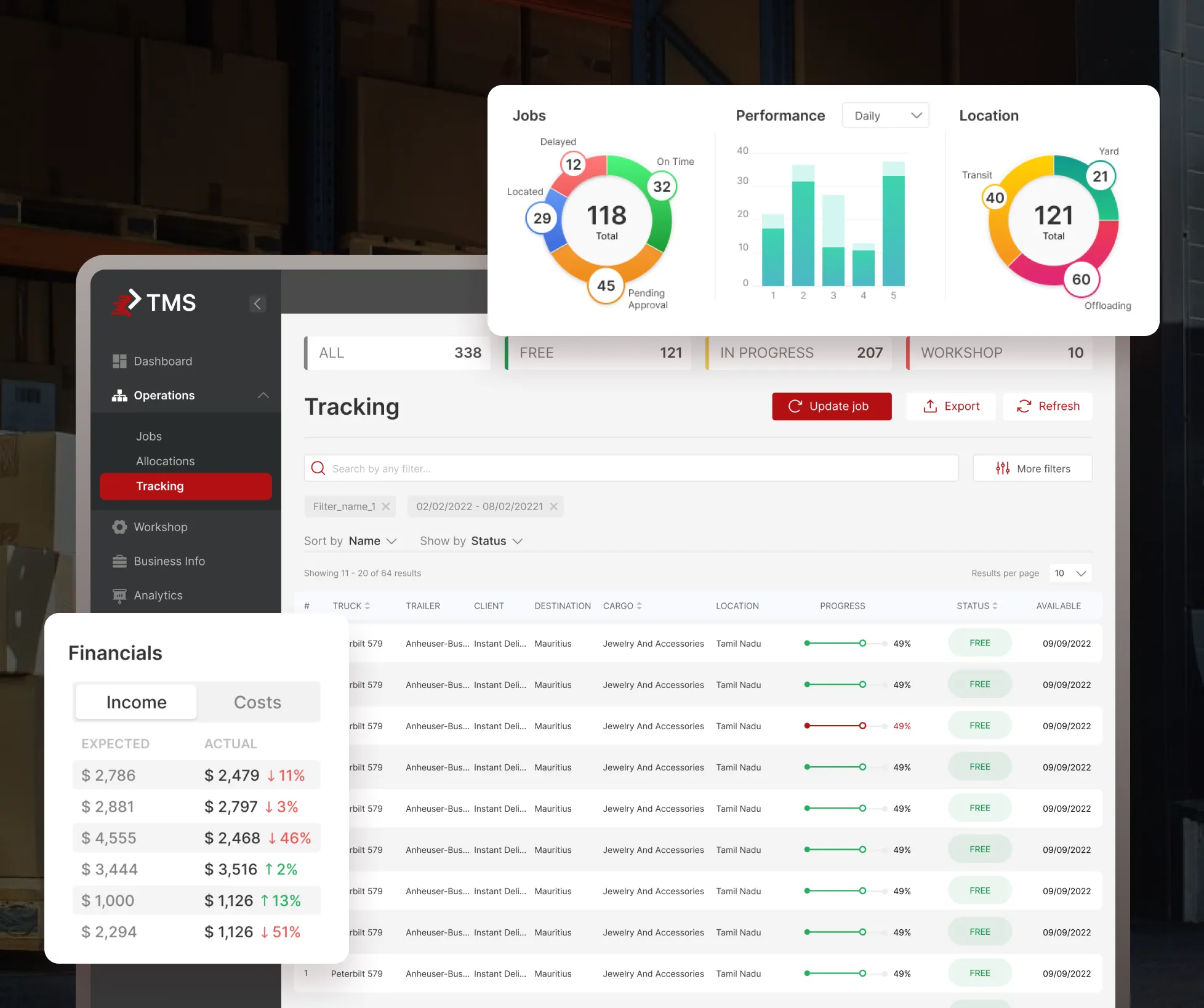
ERP Modules Built Around Your Business Functions
That means the custom ERP software you get reflects how your business works today and can be extended when requirements change. Below are the seven functional areas we build most frequently.
Financial Management
• Financial planning and budgeting
• Profitability analysis
• Accounts payable and receivable
• General ledger management
• Payroll and compensation management
• Invoice and tax payment processing
• Automated financial reporting
Supply Chain & Inventory Control
• Real-time inventory tracking
• Warehouse management (WMS)
• Supplier relationship management (SRM)
• Automated purchase order workflows
• Logistics management
• Barcoding, QR, and RFID scanning integration
Human Resources Management
• Employee records management
• Recruitment pipeline and onboarding
• Performance management
• Smart shift planning
• Document and knowledge management
Manufacturing & Production Planning
• Bill of Materials (BOM)
• Production scheduling & line capacity planning
• Work order creation, tracking, and closure
• Shop floor control
• Quality assurance and defect logging
• Equipment maintenance schedules
Customer Relationship Management
• Lead generation & pipeline management
• Sales forecasting & performance analytics
• Customer support ticketing monitoring
• Integration with e-commerce
• Marketing campaign and email automation
Project Management
• Project scheduling and milestone creation
• Task assignment and tracking
• Time logging and billable hours calculation
• Client-facing progress reports
• Document storage
• Risk register and issue escalation tracking
Business Intelligence
• KPI dashboards with real-time business metrics
• Cross-departmental data analytics
• Custom drag-and-drop report builders
• AI-driven demand and financial forecasting
Custom ERP Solutions Tailored to Your Industry


Tech Stack We Use for Custom ERP
Core Technologies & Frameworks
 Python
  Django
 Node.js
  React
React TypeScript
 REST API
 GraphQL
 .NET
.NETDatabases, Cloud & Infrastructure
 PostgreSQL
 MySQL
MySQL MongoDB
 AWS
AWS Azure
Azure GCP
GCP Docker
 Kubernetes
 Redis
RedisWhy Choose Dinamicka Development

Proven Track Record

Business-Oriented Mindset

Full Transparency

Security & Compliance

Long-Term Support
Let's discuss your project in a 30-min consultation
Book a Free CallWhat Our Clients Say


ERP Software Development Services: Answers to Your Questions
The right choice depends on your company’s scale, process complexity, data requirements, and how long you plan to run the platform.
Book a free consultation to assess which approach fits your situation before committing to either.
Cost depends on scope: a basic internal tool or single-module system typically runs $25,000–$45,000. A mid-complexity ERP covering three to five modules – inventory, HR, finance, and an integration layer – generally falls in the $60,000–$120,000 range. Full enterprise ERP with multiple system integrations, custom reporting, and multi-entity support starts at $150,000 and scales from there.
The main cost drivers are the number of modules, the complexity of integrations with existing systems, team size, and timeline. Our team uses AI-assisted development tools – Claude Code, Cursor, and GitHub Copilot – which compress delivery timelines on well-scoped ERP projects and reduce the engineering hours required for standard implementation patterns. We replaced $500/month in Jira plugins with custom-built tooling in three weeks as an internal test of this approach. The same methodology applies to client projects.
We build custom ERP software from scratch and extend existing platforms – SAP, Oracle NetSuite, Odoo, and Microsoft Dynamics. When a business needs capabilities that standard configuration cannot support, we build extension layers that work within the existing platform without requiring a full migration. The right approach depends on what is already in place and what the business actually needs to change.
An MVP or single-module system typically takes 6–10 weeks from scoped brief to first deployment. Mid-complexity ERP covering three to five functional areas runs 3–6 months. Full enterprise ERP with multiple integrations and custom reporting takes 6–12+ months depending on scope.
For well-defined projects, AI-assisted development reduces timelines by roughly 30–40% compared to traditional development cycles – primarily by compressing the implementation of standard patterns so engineers focus on the logic that is genuinely specific to the business.
Yes. ERP integration is a core part of most projects we deliver. We connect ERP to CRM platforms, warehouse management systems, transportation management systems, accounting tools, and e-commerce layers using an API-first approach. We have real integration experience with Stripe, HubSpot, and QuickBooks, among others. Integrations are designed for data centralization and role-based access control from the start – not added after the core system is built.